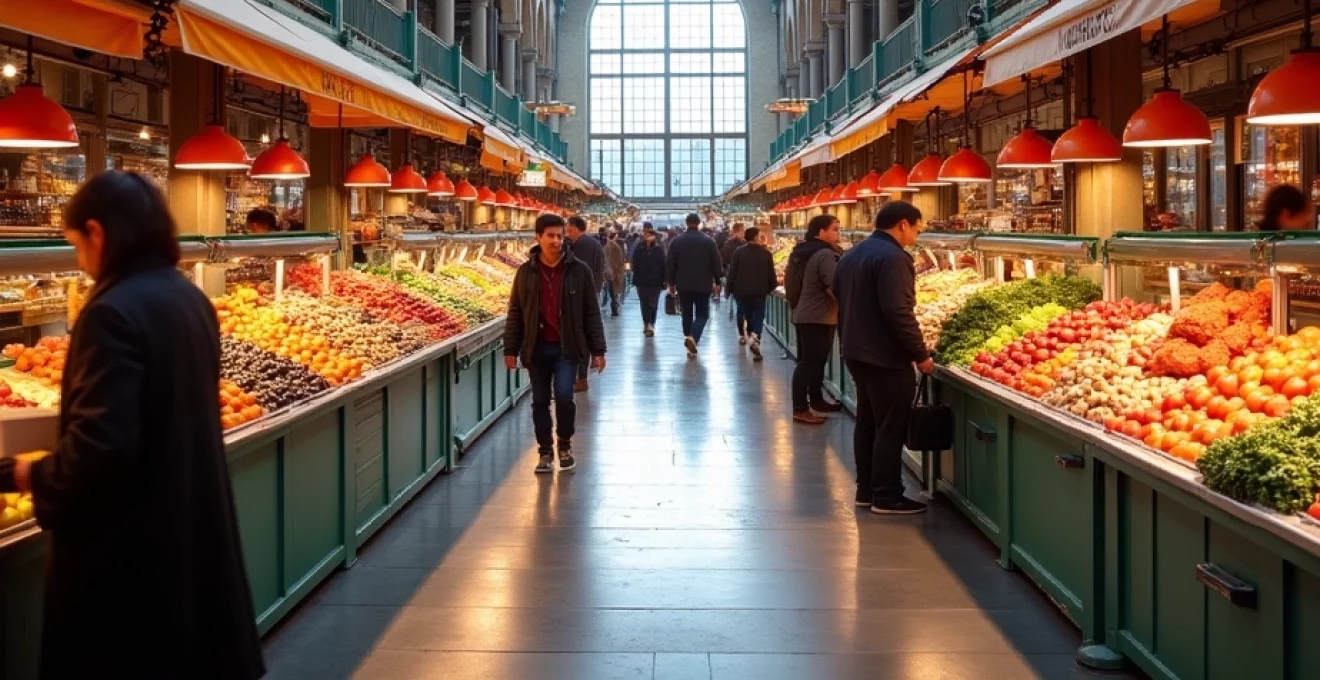
Food markets serve as vibrant hubs of culinary culture, offering a tantalising glimpse into the heart of local gastronomy. These bustling centres of commerce and community not only provide fresh produce and artisanal goods but also act as living museums of culinary traditions. From the aromatic spice stalls of Istanbul to the seafood-laden counters of Tokyo, food markets around the world offer an unparalleled sensory experience that captivates both locals and tourists alike.
Global culinary hubs: iconic food markets analysis
The world’s most renowned food markets have earned their status through a combination of historical significance, architectural beauty, and gastronomic excellence. These markets serve as microcosms of their respective cultures, offering visitors a chance to immerse themselves in local flavours and traditions. Whether you’re a seasoned foodie or a curious traveller, exploring these culinary landmarks can provide invaluable insights into the cultural fabric of a region.
One such iconic market is the Mercado de San Miguel in Madrid, Spain. This century-old market has evolved from a traditional grocery hub into a gourmet food court, showcasing the best of Spanish cuisine. With its wrought-iron structure and glass panels, the market is a feast for the eyes as well as the palate. Visitors can sample everything from fresh oysters and Iberian ham to artisanal cheeses and sweet pastries, all while soaking in the lively atmosphere.
In contrast, the Tsukiji Outer Market in Tokyo offers a more traditional experience, focusing primarily on seafood. Despite the relocation of the famous tuna auctions, the outer market remains a bustling centre of commerce, where you can find an incredible variety of fresh and dried seafood, along with specialty kitchen tools and restaurant supplies. The market’s narrow alleys and densely packed stalls create an atmosphere of organized chaos that is quintessentially Tokyo.
Market architecture and gastronomy: A symbiotic relationship
The architecture of food markets plays a crucial role in shaping the visitor’s experience and often reflects the cultural values and historical context of the region. Many of the world’s most famous markets are housed in buildings that are architectural marvels in their own right, combining form and function to create spaces that are both beautiful and practical.
La boqueria, barcelona: modernisme meets mediterranean cuisine
La Boqueria in Barcelona is a prime example of how architecture can enhance the culinary experience. The market’s entrance, with its distinctive Modernisme-style iron gate, sets the stage for the visual feast that awaits inside. The soaring ceilings and intricate ironwork create a sense of grandeur, while the layout of the stalls encourages exploration and discovery. The architecture not only provides a stunning backdrop for the colourful displays of fruits, vegetables, and local specialties but also helps to regulate temperature and air flow, crucial for maintaining the freshness of the produce.
Tokyo’s tsukiji outer market: Edo-Period design influencing seafood trade
While less ornate than La Boqueria, the Tsukiji Outer Market’s architecture is no less influential on the culinary experience it offers. The market’s layout, with its narrow alleys and compact stalls, is a legacy of Edo-period urban planning. This design not only maximizes space in the densely populated city but also creates an intimate shopping experience where customers can interact closely with vendors and their products. The compact nature of the market also contributes to its famous bustling atmosphere, which is an integral part of the Tsukiji experience.
Borough market, london: victorian iron and glass housing artisanal producers
Borough Market in London showcases how historical architecture can be adapted to meet modern needs while preserving its character. The market’s Victorian iron and glass structure provides a striking contrast to the surrounding urban landscape. The high ceilings and open layout allow for excellent ventilation and natural light, creating an inviting atmosphere for both vendors and shoppers. The market’s design also incorporates modern elements to meet contemporary food safety standards without compromising its historical integrity.
Sustainable practices in World-Renowned food markets
As global awareness of environmental issues grows, many of the world’s leading food markets are adopting sustainable practices. These initiatives not only help to reduce the ecological footprint of these busy commercial centres but also educate visitors about the importance of sustainability in the food industry.
Markthal rotterdam: Energy-Efficient design and local sourcing
The Markthal in Rotterdam is a shining example of how modern market design can incorporate sustainability from the ground up. The building’s unique arch shape, covered in residential apartments, helps to insulate the market space and reduce energy consumption. Solar panels on the roof contribute to the building’s power needs, while a ground-source heat exchange system provides efficient heating and cooling. Moreover, the market prioritizes local and seasonal produce, reducing transportation emissions and supporting regional farmers.
Union square greenmarket, new york: Farm-to-Table traceability systems
New York’s Union Square Greenmarket has implemented a comprehensive traceability system that allows customers to track the journey of their purchases from farm to market stall. This transparency not only builds trust but also encourages consumers to make more sustainable choices. The market also runs a composting program, collecting food scraps from vendors and shoppers to be turned into nutrient-rich soil for local farms.
Or tor kor market, bangkok: traditional preservation techniques for tropical produce
In Bangkok, the Or Tor Kor Market showcases how traditional preservation techniques can contribute to sustainability. Many vendors use natural methods to extend the shelf life of tropical fruits and vegetables, reducing food waste. These techniques, such as sun-drying and fermentation, not only preserve food but also create unique flavour profiles that have become an integral part of Thai cuisine.
Cultural preservation through culinary heritage
Food markets play a vital role in preserving culinary traditions and cultural heritage. As urbanization and globalization threaten to homogenize food cultures around the world, these markets serve as bastions of local flavours and time-honoured cooking techniques. By providing a platform for traditional foods and ingredients, markets help to keep culinary heritage alive and relevant in the modern world.
In Mexico City, the Mercado de la Merced is not just a place to buy ingredients; it’s a living museum of Mexican culinary traditions. Here, you can find pre-Hispanic ingredients like huitlacoche (corn fungus) and chapulines (grasshoppers) alongside colonial-era introductions like cheese and wheat flour. The market’s labyrinthine aisles are a testament to the rich tapestry of Mexican food culture, where indigenous, European, and Asian influences have melded over centuries.
Similarly, the Machane Yehuda Market in Jerusalem serves as a microcosm of Israel’s diverse culinary landscape. Here, Ashkenazi, Sephardic, and Middle Eastern Jewish traditions coexist with Arab influences, creating a unique fusion of flavours and ingredients. The market’s spice shops , with their towering displays of colourful powders and aromatic herbs, are particularly evocative of the region’s rich culinary history.
“Markets are the lifeblood of a city’s culinary culture. They connect us to our food traditions and to each other, creating a sense of community that is increasingly rare in our modern world.”
Economic impact of food markets on urban ecosystems
Beyond their cultural significance, food markets play a crucial role in urban economies. They provide employment opportunities, support local agriculture, and contribute to the overall economic vibrancy of cities. The economic impact of these markets extends far beyond their physical boundaries, influencing everything from tourism to real estate values in surrounding neighbourhoods.
Pike place market, seattle: incubator for small businesses and start-ups
Seattle’s Pike Place Market has become renowned not just for its flying fish, but also for its role in nurturing small businesses. The market’s incubator program provides low-cost retail spaces and business support to new entrepreneurs, particularly those from underrepresented communities. This initiative has helped launch numerous successful businesses, many of which have grown beyond the market to become significant players in Seattle’s culinary scene.
Mercado de san miguel, madrid: gourmet tourism’s effect on local economy
The transformation of Madrid’s Mercado de San Miguel from a traditional grocery market to a gourmet food hall has had a significant impact on the local economy. The market has become a major tourist attraction, drawing visitors from around the world and boosting revenue for local businesses. This success has inspired similar developments in other Spanish cities, contributing to the growth of culinary tourism throughout the country.
Kreta ayer wet market, singapore: balancing modernization and traditional trade
Singapore’s Kreta Ayer Wet Market offers an interesting case study in how traditional markets can adapt to changing urban landscapes. Despite pressure from modern supermarkets and online grocery services, the market has maintained its relevance by focusing on fresh, locally sourced produce and personalized service. The government has also invested in upgrading the market’s facilities, recognizing its importance to the local community and economy.
Technological integration in traditional market spaces
As technology continues to reshape the retail landscape, food markets are finding innovative ways to integrate digital solutions without losing their traditional charm. From mobile payment systems to online ordering platforms, these technological advancements are helping markets stay relevant in the digital age while enhancing the shopping experience for customers.
Torvehallerne, copenhagen: digital payment systems and online pre-ordering
Copenhagen’s Torvehallerne market has embraced technology to streamline the shopping experience. Many vendors now accept digital payments, making transactions faster and more convenient for customers. The market has also implemented an online pre-ordering system, allowing shoppers to reserve popular items or place orders for pick-up, reducing wait times and food waste.
Mercado roma, mexico city: social media marketing for vendor promotion
Mercado Roma in Mexico City has leveraged social media to great effect, using platforms like Instagram and Facebook to showcase vendors’ offerings and attract a younger, tech-savvy demographic. The market’s official accounts feature daily specials, vendor profiles, and behind-the-scenes content, creating a sense of community that extends beyond the physical market space.
Central market hall, budapest: QR Code-Based product information access
Budapest’s Central Market Hall has implemented a QR code system that allows visitors to access detailed information about products and vendors. By scanning codes displayed at each stall, customers can learn about the origin of products, traditional uses, and even recipe suggestions. This system not only provides valuable information to shoppers but also helps to preserve and share knowledge about traditional Hungarian ingredients and cooking methods.
The integration of technology in these markets demonstrates how traditional spaces can evolve to meet the needs of modern consumers without losing their essential character. As food markets continue to adapt and innovate, they remain vital centres of commerce, culture, and community in cities around the world.