Dublin, Ireland’s vibrant capital, is a treasure trove for literature and history enthusiasts. With its rich cultural heritage spanning centuries, the city offers a unique blend of literary landmarks and historical sites that captivate visitors from around the world. From ancient manuscripts to revolutionary prisons, Dublin’s attractions provide an immersive journey through the pages of Irish history and literature.
As you explore the cobblestone streets and elegant Georgian squares, you’ll find yourself walking in the footsteps of literary giants and historical figures who have shaped Ireland’s identity. The city’s museums, libraries, and historic buildings offer fascinating insights into the country’s turbulent past and its remarkable literary legacy.
Trinity college dublin: epicentre of literary heritage
Trinity College Dublin stands as a beacon of academic excellence and literary tradition in the heart of the city. Founded in 1592, this prestigious institution has nurtured some of Ireland’s most celebrated writers and thinkers. As you step through its iconic front gates, you’re transported into a world where centuries of learning and creativity converge .
The book of kells: illuminated medieval manuscript
At the heart of Trinity College lies one of Ireland’s greatest treasures: the Book of Kells. This exquisitely illuminated manuscript , created around 800 AD, is a masterpiece of early Christian art and calligraphy. Housed in the Old Library, the Book of Kells offers visitors a glimpse into the intricate artistry and devotion of medieval Irish monks.
The Book of Kells is not just a book, but a window into the soul of early Irish Christianity and artistry.
The vivid colours, intricate designs, and meticulous detail of the Book of Kells continue to astound visitors and scholars alike. Its pages, filled with elaborate illustrations and decorative text, showcase the insular art style that flourished in Ireland during the early medieval period.
Old library’s long room: 200,000 antiquarian texts
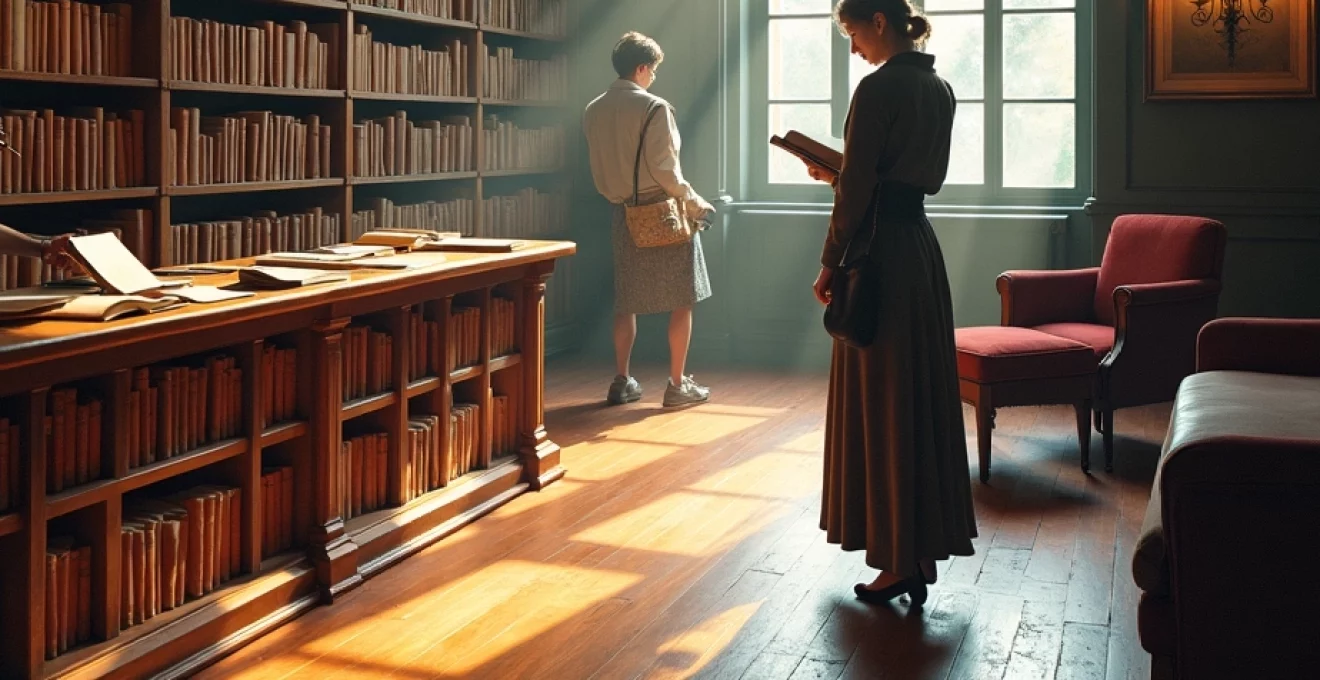
Ascending to the Long Room of the Old Library, you’ll find yourself in one of the most impressive library halls in the world. This 65-metre-long chamber houses over 200,000 of Trinity College’s oldest books, creating an awe-inspiring atmosphere of literary reverence.
The Long Room’s towering oak shelves, lined with leather-bound tomes, are watched over by marble busts of great philosophers and writers. The air is thick with the scent of old paper and the weight of centuries of knowledge. It’s a place where you can almost hear the whispers of countless scholars who have walked these halls before you.
Samuel beckett theatre: modernist dramatist’s legacy
Named after one of Trinity College’s most famous alumni, the Samuel Beckett Theatre honours the legacy of the Nobel Prize-winning playwright. This intimate performance space hosts a variety of theatrical productions, from student shows to professional performances, continuing Dublin’s rich tradition of dramatic arts.
Beckett’s avant-garde approach to theatre, characterized by minimalist settings and existential themes, finds a fitting home in this modern venue. The theatre serves as a reminder of Trinity College’s ongoing contribution to the world of literature and drama.
Oscar wilde centre: victorian wit’s academic roots
Housed in a beautiful Georgian building on Westland Row, the Oscar Wilde Centre is dedicated to Irish writing and pays homage to one of Trinity’s most colourful alumni. This centre for creative writing offers postgraduate programs and hosts literary events, continuing the tradition of nurturing Irish literary talent.
Wilde’s wit and flamboyant style are celebrated here, reminding visitors of the enduring impact of Irish writers on world literature . The centre’s location, just steps away from Wilde’s childhood home, creates a tangible connection to the writer’s early life and education.
Dublin writers museum: chronicling irish literary giants
For a comprehensive overview of Ireland’s literary heritage, the Dublin Writers Museum is an essential stop. Located in a magnificent 18th-century mansion on Parnell Square, this museum celebrates the works and lives of Ireland’s most influential writers.
James joyce collection: ‘ulysses’ first editions
The James Joyce collection at the Dublin Writers Museum is a treasure trove for fans of modernist literature. Here, you can see rare first editions of Joyce’s groundbreaking novel ‘Ulysses’, along with personal letters and other artefacts related to the author’s life and work.
Joyce’s stream of consciousness technique, which revolutionized 20th-century literature, is explored through interactive exhibits and informative displays. The museum offers insights into how Dublin itself became a character in Joyce’s works, particularly in ‘Ulysses’ and ‘Dubliners’.
W.B. yeats exhibition: nobel laureate’s manuscripts
The W.B. Yeats exhibition showcases the life and works of Ireland’s first Nobel Prize winner in Literature. Original manuscripts, first editions, and personal items offer a glimpse into Yeats’s poetic process and his role in the Irish Literary Revival.
Yeats’s poetry captures the essence of Ireland’s mythical past and its tumultuous present, weaving a tapestry of words that continues to resonate with readers worldwide.
The exhibition also explores Yeats’s involvement in Irish politics and his contribution to the founding of the Abbey Theatre, highlighting the intertwining of literature and national identity in early 20th-century Ireland.
Jonathan swift archives: ‘gulliver’s travels’ author’s works
The Jonathan Swift archives offer a fascinating look at the life and works of the satirist and author of ‘Gulliver’s Travels’. Swift’s biting wit and social commentary are explored through first editions, letters, and explanations of his complex allegories.
Visitors can delve into Swift’s role as Dean of St. Patrick’s Cathedral and his lesser-known works, gaining a deeper understanding of this multifaceted figure in Irish literature . The archives also shed light on Swift’s influence on subsequent generations of Irish writers.
Historic dublin castle: from viking fortress to government complex
Dublin Castle, with its rich tapestry of Irish history, offers visitors a journey through centuries of power, conflict, and cultural change. Originally built as a Viking fortress in the 13th century, the castle has evolved into a symbol of British rule and, later, Irish independence.
State apartments: georgian architectural splendour
The State Apartments, adorned with exquisite Georgian architecture, offer a glimpse into the lavish lifestyle of the British viceroys who once resided here. The opulent rooms, with their intricate plasterwork and priceless artworks , stand in stark contrast to the medieval foundations of the castle.
Guided tours of the State Apartments provide fascinating insights into the political and social life of Dublin during the 18th and 19th centuries. The magnificent St. Patrick’s Hall, used for presidential inaugurations, is a highlight of any visit.
Medieval undercroft: remnants of 13th century fortifications
Beneath the castle lies the Medieval Undercroft, where visitors can explore the remnants of the original 13th-century fortifications. These ancient stone walls and archways offer a tangible connection to Dublin’s Viking and Norman past.
The Undercroft also houses the Powder Tower , a medieval defensive structure that has survived centuries of conflict and change. This subterranean area provides a stark contrast to the grandeur above, highlighting the castle’s evolution over time.
Chapel royal: Neo-Gothic ecclesiastical architecture
The Chapel Royal, a stunning example of neo-Gothic architecture, was added to Dublin Castle in the early 19th century. Its ornate interior, featuring intricate wood carvings and stained glass windows, reflects the height of Gothic Revival style.
The chapel’s history is intertwined with that of British rule in Ireland, serving as a place of worship for the viceroys and their households. Today, it stands as a testament to the complex religious and political history of Ireland.
Kilmainham gaol: ireland’s path to independence
Kilmainham Gaol, now a museum, played a pivotal role in Irish history, particularly during the struggle for independence. This former prison witnessed some of the most significant events in Ireland’s journey towards nationhood.
East wing: victorian ‘panopticon’ prison design
The East Wing of Kilmainham Gaol showcases the panopticon design, a revolutionary concept in Victorian prison architecture. This design, with its central observation point and radiating cell blocks, was intended to allow constant surveillance of prisoners.
Today, the East Wing’s eerie atmosphere and stark conditions provide visitors with a sobering glimpse into 19th-century prison life. The wing also houses exhibitions on prison reform and the lives of ordinary prisoners.
Stonebreakers’ yard: site of 1916 easter rising executions
The Stonebreakers’ Yard holds a particularly poignant place in Irish history as the site where leaders of the 1916 Easter Rising were executed. This small, enclosed yard became a symbol of martyrdom and a catalyst for the Irish independence movement.
The executions at Kilmainham Gaol turned the tide of public opinion, transforming the Easter Rising from a failed rebellion into a powerful symbol of Irish nationalism.
Visitors to the yard can reflect on the sacrifices made by those who fought for Irish freedom and the impact of these events on the country’s path to independence.
Museum: irish nationalist movement artefacts
The museum at Kilmainham Gaol houses an extensive collection of artefacts related to the Irish nationalist movement. From personal belongings of imprisoned rebels to documents and photographs, these exhibits provide a comprehensive overview of Ireland’s struggle for independence.
The museum’s displays also cover the broader history of the gaol, including its role during the Great Famine and its eventual restoration as a national monument. Interactive exhibits and guided tours offer visitors a deeper understanding of this pivotal period in Irish history .
National museum of ireland – archaeology: prehistoric to medieval treasures
The National Museum of Ireland – Archaeology offers a journey through Ireland’s rich past, from prehistoric times to the medieval period. Its extensive collections showcase the artistic and cultural achievements of the Irish people over millennia.
Tara brooch: 8th century celtic metalwork masterpiece
The Tara Brooch, a stunning example of early medieval Irish metalwork, is one of the museum’s most prized possessions. This intricately crafted piece, dating from the 8th century, demonstrates the exceptional skill of Irish craftsmen during the golden age of Celtic art.
The brooch’s elaborate design, combining filigree and granulation techniques, reflects the sophisticated artistic traditions of early Christian Ireland. Its discovery in the 19th century sparked renewed interest in Ireland’s ancient heritage.
Ardagh chalice: early christian ecclesiastical metalwork
The Ardagh Chalice, another masterpiece of early Irish metalwork, exemplifies the fusion of native Irish and Christian artistic traditions. This 8th-century silver chalice, discovered as part of a hoard in County Limerick, is renowned for its exquisite craftsmanship and intricate decorations.
The chalice’s design incorporates both Christian symbolism and traditional Celtic motifs, reflecting the unique character of Irish Christianity during this period. Its preservation offers invaluable insights into the religious and artistic life of early medieval Ireland.
Viking dublin exhibition: norse influence on irish history
The Viking Dublin exhibition explores the profound impact of Norse settlers on Irish history and culture. Through a rich array of artefacts, including weapons, jewellery, and everyday items, visitors can trace the evolution of Dublin from a Viking settlement to a thriving medieval city.
The exhibition highlights the complex relationship between the Norse and native Irish populations, showcasing both conflict and cultural exchange. Interactive displays and reconstructions bring to life the vibrant world of Viking-age Dublin , offering a fresh perspective on this crucial period in Irish history.
As you explore these remarkable sites and museums, you’ll gain a deeper appreciation for Dublin’s role as a crucible of literary and historical significance. From ancient manuscripts to revolutionary prisons, each location offers a unique window into Ireland’s rich cultural tapestry. Whether you’re tracing the footsteps of literary giants or delving into the complexities of Irish history, Dublin’s attractions provide an unforgettable journey through time and imagination.