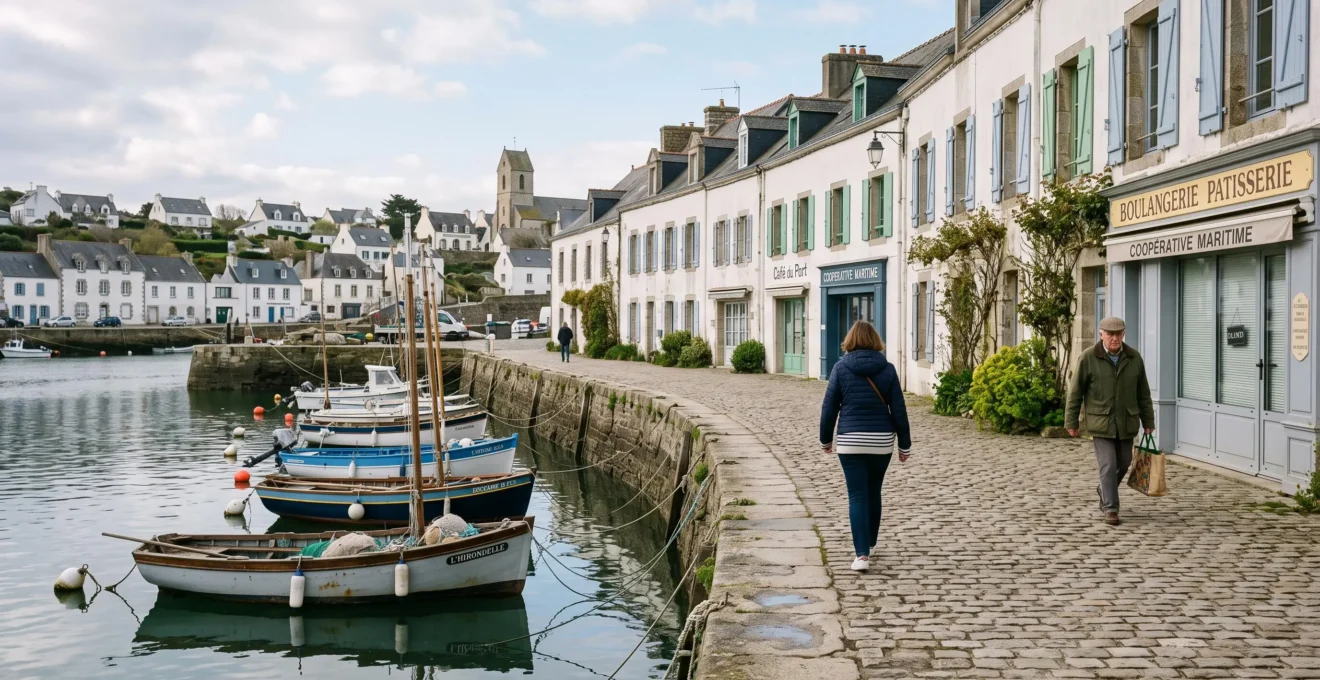
If you’re considering Île de Ré in spring, expect a true “shoulder season” feel: the island is more calm and local than in peak summer, but still active enough to enjoy villages, cycling lanes, and markets—provided you plan around shorter opening hours and changeable Atlantic weather.
Spring is often a better match than July–August if you want to explore at a slower pace. The trade-off is simple: you gain breathing space on bike paths and in villages, but you may need a windproof layer, a flexible itinerary, and a quick check of what’s open that week.
Spring on Île de Ré: what to expect at a glance
- Atmosphere: quieter, more everyday-life energy than summer—especially outside school holidays.
- Weather: milder by April–May, but wind and quick shifts are common on the Atlantic coast.
- What’s open: markets run strongly from April; some shops and restaurants operate with reduced hours.
- Best fit for: cycling, walking, birdwatching-style nature time, and slow village hopping.
- Main spring rule: check opening days before you commit to a specific restaurant or activity.
What Is Île de Ré Like in Spring?
Direct answer: In spring, Île de Ré feels lived-in and easy to navigate—calmer than summer, with enough activity in villages and markets to fill your days, as long as you accept a more variable pace and weather than in July–August.
Think of an April morning in a village square: you can actually hear conversations on café terraces, find a spot to lock your bike without hunting for space, and wander the small lanes without the constant flow of summer foot traffic. In August, the same streets feel denser and louder, and you’ll often plan around busier restaurant services and fuller beaches.
This is exactly why spring can be so satisfying: it’s not a “dead” season, but it’s also not the intense rhythm of high summer. You get a version of the island that’s closer to local life—while still having enough visitor-facing services to build a holiday around.
Spring reality check: the island can feel very different from one village to another. Some places stay lively earlier in the season, while others remain quiet until closer to summer.
How Warm Is Île de Ré in Spring?
Spring temperatures on Île de Ré are usually mild rather than hot, and the ocean influence tends to keep things from swinging too wildly—yet wind can make the same air temperature feel cooler. The most reliable way to set expectations is to look month by month, not as one big “spring average.”
April and May: what do the climate normals say?
Based on climate normals (1991–2020) from the La Rochelle – Île de Ré weather station published by Meteociel, average temperature is about 12°C in April and 15.5°C in May. The same dataset lists an average maximum of 16.1°C in April and 19.6°C in May (station normals, 1991–2020).
You can consult the original dataset here: normales climatiques avril mai.
What this means in practice: by May, afternoons can feel genuinely pleasant for long bike rides or sitting outside, but mornings can still start cool—especially if there’s wind.
What about March?
The sources used here provide verified figures for April and May, but not for March specifically. Practically, plan March as a more “edge-of-season” month: expect cooler days than April, and pack with more margin (warmer layers, better rain protection, and indoor backup ideas).
A simple spring-day pattern to plan for: a fresher morning (especially on the coast), a nicer mid-day for cycling or walking, then a cooler evening that often calls for an extra layer.
What Is Open (and Closed) in Spring?
If your main worry is “will everything be shut?”, spring is reassuring—but not uniform. The island works in a gradual ramp-up: some services feel fully on, while others operate on reduced schedules until closer to summer.
For markets, there is a clear baseline. Destination Île de Ré (the official tourist office) states that “From April to October: markets open every day, generally in the morning.”
(Destination Île de Ré – Office de Tourisme). The same page notes that outside that period, opening days vary depending on the village.
Here’s the practical page to check before you go: marchés ouverts d’avril à octobre.
What you can count on in spring
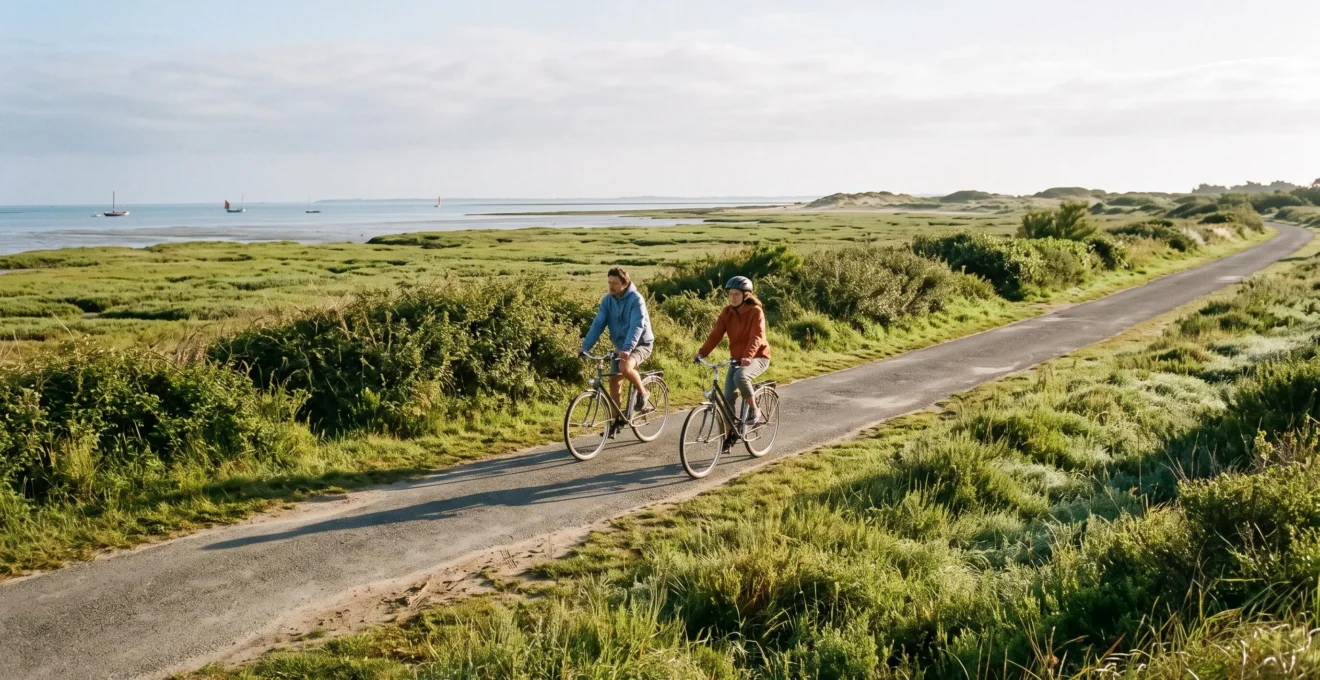
Nature and outdoor access are the most consistent parts of a spring trip. Cycling paths, beaches, salt marsh landscapes, and village walks don’t “close” for the season, even when some businesses do. That’s why spring often works best for travelers who want to move through the island rather than build the whole stay around a fixed list of indoor visits.
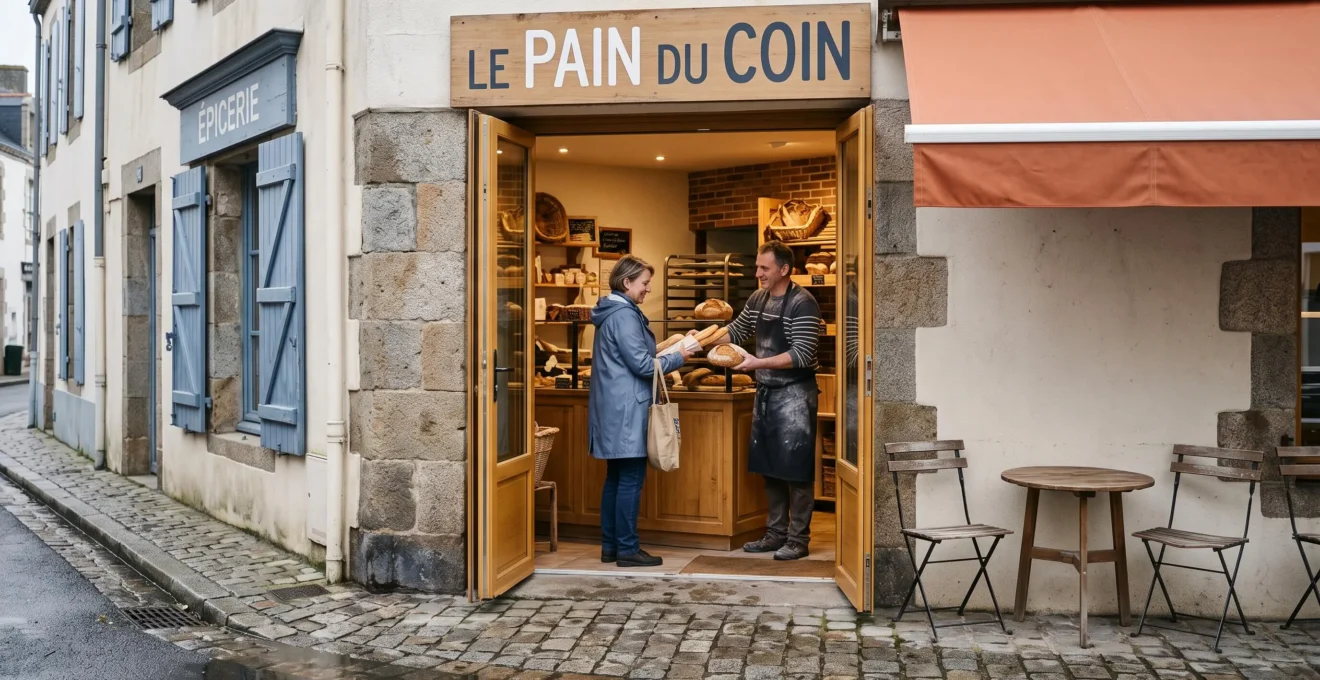
Markets and local produce are also a strong anchor from April onwards, because morning markets give you an easy routine: choose a village, arrive early, then build the rest of your day around what you find (a picnic, a bike loop, a beach stop if the weather holds).
What is more likely to be reduced or variable?
Some restaurants, shops, and visitor-oriented activities can run on limited opening days in spring—especially earlier in the season or mid-week. Instead of assuming “closed,” assume reduced schedules and check directly (official listings, phone calls, or current notices at the door once you’re on the island).
Also, activity isn’t evenly spread: a village can feel lively while another a few kilometers away feels almost sleepy. That contrast is part of the shoulder-season experience—and it can be a benefit if you like quieter walks and easier parking, but it’s a drawback if you want a very late-night, busy-resort feel.
Spring vs summer (opening hours): in July–August, you can often decide last minute. In spring, you’ll get a better trip by choosing a “base village” with reliable services, then exploring quieter corners during the day.
Why Visit Before the Summer Crowds?
The biggest spring advantage is comfort: more room on the island’s cycling paths and in the narrow village lanes, and a generally slower pace. If you’re coming specifically to ride, walk, and take in the landscape without feeling rushed, spring can be the sweet spot.
Compared with peak summer, spring also tends to feel more “local” in daily moments—like buying bread, visiting a morning market, or stopping for a coffee—because the island isn’t operating at full tourist intensity. You’re not guaranteed empty streets, but you’re usually not competing with the same volume of visitors you’d see in August.
Budget can be another reason people pick shoulder season. While this article doesn’t include verified price data (it varies widely by property type and booking window), the decision logic is straightforward: if summer rates feel too high for what you want to do—mostly outdoors, mostly daytime—spring is often the first alternative to check.
If you like the broader idea of traveling when places feel more themselves, this piece on off-season travel explains the “authenticity” argument well—while still acknowledging the compromises.
How to Plan a Spring Trip to Île de Ré
A good spring trip here is less about booking every hour and more about building flexibility into your days. Plan a few “anchors” (a market morning, a long bike ride, a coastal walk), then keep one or two backup ideas in case wind or rain changes the mood.

- Pack for wind and layering
Bring a light waterproof or windproof outer layer and mid-layers you can add or remove. Even in May, mornings and evenings can feel cooler than you expect by the sea.
- Choose one “reliable” base
Pick a village where you can count on basic services (food, coffee, bike rental if needed), then do day loops from there.
- Verify opening days before committing
In spring, reduced schedules are normal. Check market days, restaurant opening times, and any specific visits you don’t want to miss—especially outside April–October.
- Build your day around the best weather window
When the forecast looks mixed, plan the long ride or walk for the brightest part of the day and keep short, sheltered stops for earlier or later.
Cas pratique
A hypothetical 3-day spring stay: Day 1 starts with a morning market (from April onwards), then an easy bike loop when the day warms up. Day 2 is the “long ride” day with a windproof layer and a flexible lunch plan. Day 3 stays village-focused—coffee, small shops that are open, and a coastal walk timed around the brightest hours.
If you’re hesitating between spring and summer, decide based on what would disappoint you most: less certainty about opening hours and weather (spring), or more intense crowds and a faster pace (peak summer). Many travelers don’t need “beach weather” every day to love Île de Ré—they just need the island to feel easy and enjoyable on the ground.
Is Île de Ré worth visiting in spring outside the high season?
Yes if your priority is a calmer, more local feel and outdoor time (cycling, walks, village exploring). The main limits are variable weather and the fact that some businesses may run reduced hours until closer to summer.
Are shops, markets and attractions open on Île de Ré in March, April and May?
Markets are clearly active from April: the official Destination Île de Ré tourist office indicates markets run daily from April to October, generally in the morning, while outside that period days vary by village. For March and early spring, expect more variability for shops and restaurants and check opening days in advance.
How warm is Île de Ré in spring?
Using climate normals (1991–2020) from the La Rochelle – Île de Ré station published by Meteociel, average temperature is about 12°C in April and 15.5°C in May, with average maximums around 16.1°C (April) and 19.6°C (May). Wind can make it feel cooler, so layers matter.
How should I pack for a spring trip to Île de Ré?
Pack for layering: a light waterproof/windproof jacket, one warmer mid-layer, and comfortable shoes for walking or cycling. Plan for cool mornings and evenings even when afternoons feel mild.
Spring on Île de Ré is at its best when you treat it as shoulder season: calmer than summer, still very walkable and bike-friendly, and full of small everyday pleasures—while staying realistic about wind, quick weather changes, and opening hours that may not yet be in full summer mode.